Haemophilia
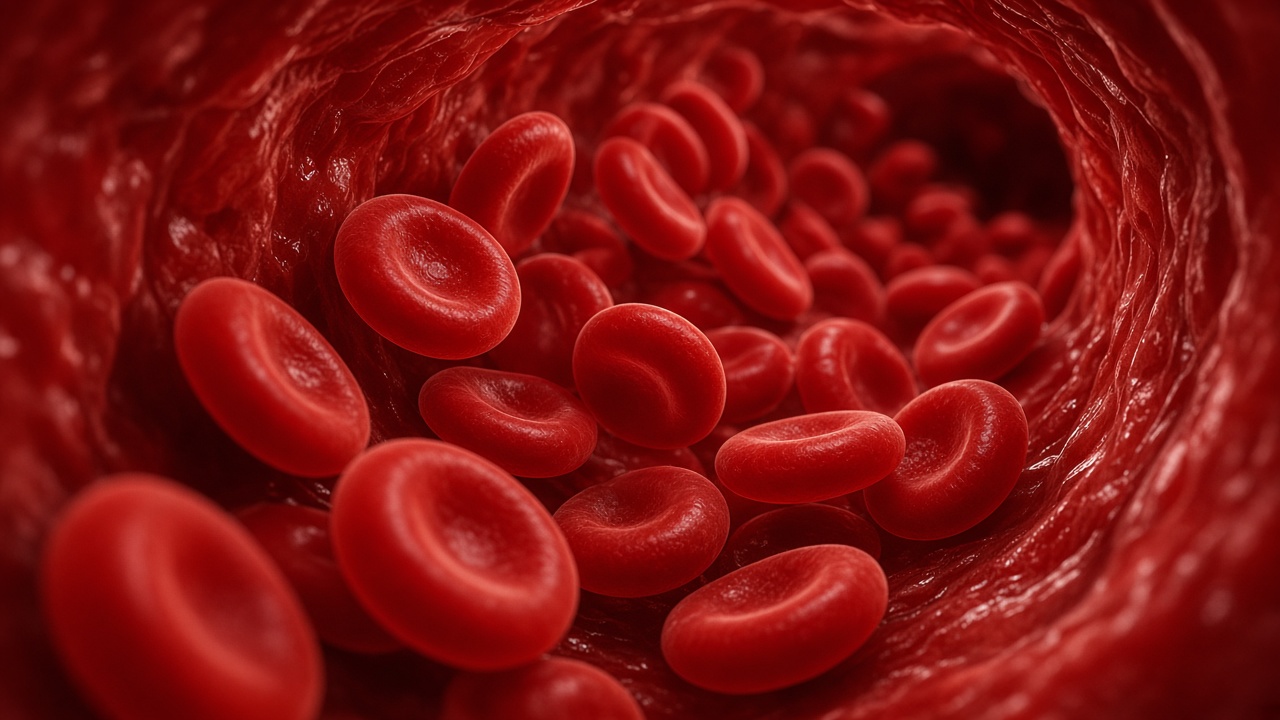
Haemophilia is a lifelong bleeding disorder. A clotting factor is partly or completely missing, so bleeding lasts longer than it should. With the right diagnosis and care, people in Nepal live, study and work.
Most bleeding is inside the body. Joints and muscles are the usual places. A joint that is warm, swollen or hard to move may be bleeding, even when you cannot see blood. Nosebleeds, heavy periods, and long bleeding after a cut, tooth extraction or surgery also happen.
Haemophilia A means factor VIII is low. Haemophilia B, sometimes called Christmas disease, means factor IX is low. Both are usually passed through families on the X chromosome, so they are more often diagnosed in boys. Girls and women can have haemophilia too, and some bleed enough to need treatment.
A new diagnosis is a shock. Parents often feel alone, especially when the nearest clotting test is far from home. Nepal Hemophilia Society was started in 1992 so families would have a place to ask questions, register, and push for care. The Society’s vision is comprehensive care of haemophilia, so people can live with dignity.
Treatment in Nepal is still uneven. Some families reach a centre that can test factor levels and give clotting factor. Others are still treated late, or with products the centre would rather replace with virus-inactivated concentrate. Prophylaxis — regular treatment to prevent bleeds — is not yet available to everyone. NHS advocates for it with the Ministry of Health and Population and with provincial governments.
Types
Severe haemophilia usually shows up in the first years of life, often when a child starts to crawl. Moderate and mild haemophilia may be found later, after an injury, dental work or surgery. The label comes from how much factor is measured in the blood, and the centre uses that result to plan care.
Causes
In inherited haemophilia A or B, a change in the factor VIII or factor IX gene means the body does not make enough working factor. A parent can carry the gene without knowing. About one in three children with haemophilia has no known family history, because the gene change is new.
Symptoms
- Bruises that are large or appear with little cause
- Bleeding that continues after a small cut, injection or tooth extraction
- A joint that swells, feels warm, or will not straighten
- A muscle that becomes painful, tight or swollen
- Blood in urine or stool, or a bleed that follows a bump to the head
- In women and girls: heavy periods, or bleeding after childbirth
Diagnosing
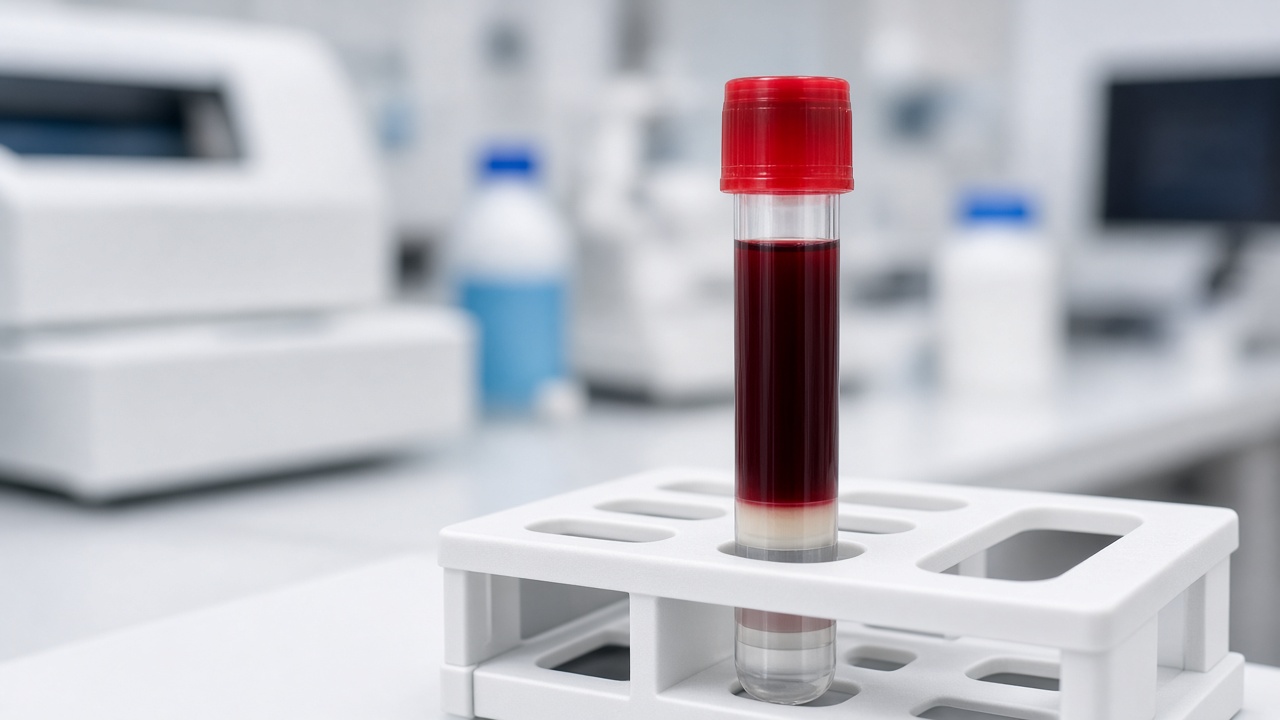
A complete blood count and the usual clotting times are not enough. Diagnosis needs a factor VIII or factor IX assay, and sometimes tests for von Willebrand disease or other factors. NHS can help a family ask where that test is done. If you already have a result, take it to a treatment centre rather than starting treatment on your own.
Factor XI deficiency
Factor XI deficiency is sometimes called haemophilia C. It is not haemophilia A or B. The clotting reaction stops too early. Bleeding is less predictable: some people bleed after surgery or dental work and rarely have joint bleeds. It is uncommon worldwide, and a factor assay is how it is confirmed. Care is planned by the centre. Do not assume a factor VIII product will help.
Acquired haemophilia
Acquired haemophilia is not inherited. The immune system makes an antibody, usually against factor VIII. It can appear in older adults, and sometimes late in pregnancy or after birth. Both men and women are affected. Bleeding into skin and muscles, and bleeding after a procedure, are typical. This is an emergency for a specialist. Diagnosis needs a low factor level plus an inhibitor test. Treatment aims to stop the bleeding and to calm the immune system. What is stocked in Nepal varies, and the centre decides.
This page is general information from Nepal Hemophilia Society. It is not a diagnosis or a treatment plan. A bleed, a head injury, or bleeding after an accident needs urgent hospital care. Ask your treatment centre before you change any treatment.