The infected blood inquiry
The Infected Blood Inquiry is a United Kingdom public inquiry. It is not a Nepal government inquiry, and NHS does not pretend that it is. Its findings still matter here, because people with haemophilia were harmed by blood products in many countries.
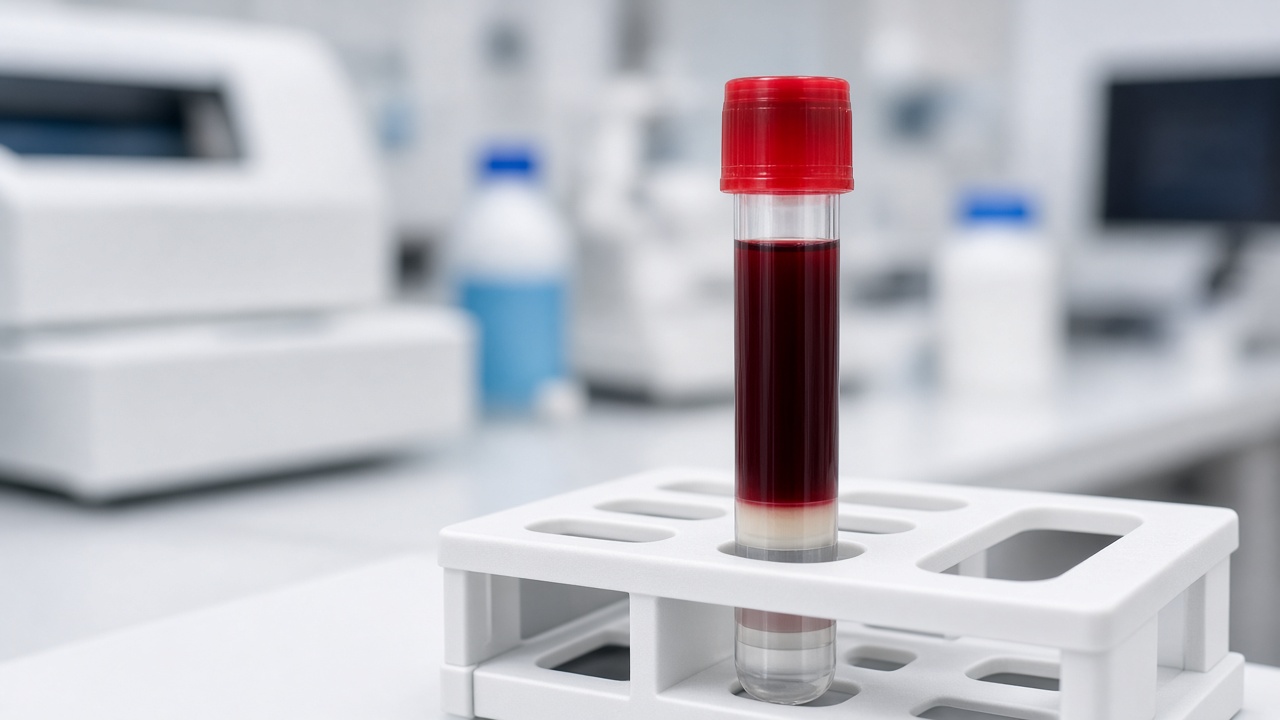
In the 1970s and 1980s, clotting factor made from large pools of donated plasma infected thousands of people with HIV and hepatitis. In the UK, Sir Brian Langstaff led a statutory inquiry. The final report, published in May 2024, found that infections were not an accident of the time alone. Patients were not told enough, safer products were delayed, and the state failed the people who depended on it.
Nepal’s haemophilia community is smaller and younger as an organised society — NHS was founded in 1992 — but the lesson is the same. Untreated plasma and cryoprecipitate can carry viruses. Records of which product, which batch and which patient must exist. A person who may have been infected deserves testing and care, not silence.
What NHS asks for in Nepal
- Screened blood donation and a plasma supply that does not cut corners
- Virus-inactivated factor concentrates as the normal treatment, not a luxury
- A written record of every product given
- Testing and treatment for anyone who may have acquired hepatitis or HIV from a blood product
- No sale of clotting factor through informal dealers
Compensation schemes announced in the UK apply to people recognised by that inquiry. They are not a payment NHS can claim for a Nepali patient. If you are worried about an infection, the next step is a doctor and a test, then a conversation with NHS about care and advocacy.